social commerce
AI Hosts in Social Commerce: The 2026 Guide
AI hosts are transforming social commerce by running 24/7 live shopping streams, creating personalized user-generated content at scale, and adapting…
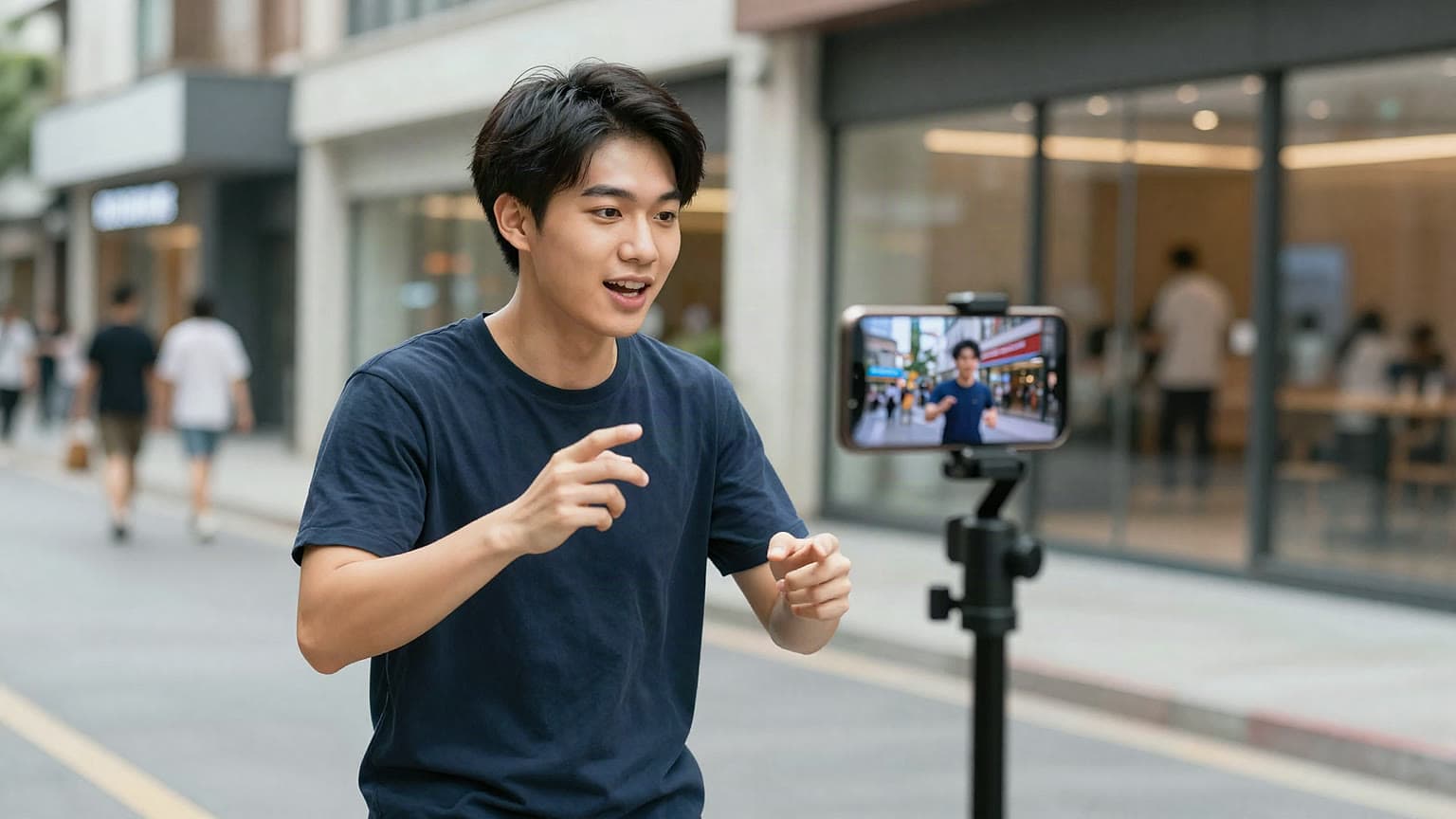
AI hosts are transforming social commerce by running 24/7 live shopping streams, creating personalized user-generated content at scale, and adapting interactions across platforms in real time. Unlike human influencers who are limited by scheduling and availability, AI hosts engage audiences continuously, answer product questions instantly, and tailor offers based on browsing behavior.
The impact is measurable: brands using AI-driven tools have seen cart conversion rates increase by up to 37% and content production costs cut by 70%. Here is how AI hosts work in social commerce and how to deploy them.
How AI hosts Are Changing Social Commerce
Improving Customer Interactions
During live shopping events, AI hosts analyze customer emotions and behaviors in real time, enabling brands to tweak presentations or adjust offers on the fly. They can handle up to 80% of customer inquiries during these events, cutting down on support costs without sacrificing service quality.
The financial advantages are just as compelling. AI-powered pricing tools have helped brands achieve a 10–15% revenue boost, while AI-enhanced site search has driven a 15–20% increase in average order value through more accurate product recommendations. Meanwhile, Revolve’s influencer network - scaled through AI - drives roughly 70% of the company’s total sales.
Rather than replacing human creativity, AI hosts amplify it. They shift the focus of social commerce from simply selling products to creating immersive, experience-driven shopping journeys. Through emotional connections and interactive storytelling, brands can foster loyalty while delivering consistent, personalized engagement across different languages and time zones - without being limited by human availability.
AI hosts can transform your social commerce strategy by generating on-demand user-generated content (UGC) and enhancing live shopping events. These tools eliminate the hassle of coordinating with creators and scheduling delays while maintaining genuine audience engagement.
AI hosts allow businesses to create high-quality, consistent content quickly and at scale. Imagine producing 100 seamless reels in just minutes - that’s the kind of efficiency AI hosts bring to the table. Brands have reported a 30% reduction in their content production cycle. And the numbers are hard to ignore: global revenue for AI in marketing is expected to reach $47 billion by 2025 and surpass $107 billion by 2028. For smaller teams, this efficiency can be a game-changer. As Ankit Nayal, Founder of Flamme, explains:
Enabling Real-Time Engagement
"The Influencer AI completely changes the game for us... Instead of endlessly coordinating with UGC freelancers, we can focus on storytelling and growth".
To get started, identify your top-performing product categories and create AI hosts tailored to those items. For fashion and beauty brands, virtual try-ons can let customers see how products look on digital versions of themselves. This not only boosts purchase confidence but also helps reduce return rates. For larger campaigns, you can repurpose existing video assets by using subject replacement workflows to seamlessly insert your AI influencer into older content - no need to start from scratch.
Unlike generic image generators that churn out random faces, AI host platforms ensure your digital creators maintain a consistent look, voice, and personality across all content. This uniformity builds recognition and trust - two critical factors for driving conversions. By streamlining production, AI hosts allow you to focus on creating immersive, real-time shopping experiences.
Live shopping events are great for driving impulse purchases, but they often face challenges like time zone conflicts and limited availability of hosts. AI hosts solve these problems by being available 24/7, ready to engage audiences across multiple regions without ever tiring. They can host product demos, answer questions in real time, and even adjust messaging based on how viewers interact during the event.
What really matters is the story you tell. Research shows that a compelling narrative is far more effective at engaging audiences than an AI host’s physical appearance. So, focus on crafting product stories and interactive experiences that resonate with your audience instead of obsessing over hyper-realistic visuals.
They can handle up to 80% of customer inquiries during these events, cutting down on support costs without sacrificing service quality.
How to Use AI hosts in Your Social Commerce Strategy
Using AI hosts for On-Demand UGC
When it comes to influencer campaigns, AI hosts offer brands complete control while avoiding risks associated with human influencers. A study highlights this advantage:
"The main advantage of a virtual influencer is not to be human and therefore not to present the same risks in terms of unavailability, disagreement with the evolution of a brand, potential scandal, progressive shift in image, and audience limits".
AI hosts also excel in multilingual campaigns. They can create "talking head" videos in any language, making global outreach quicker and more cost-efficient. A great example is the Milka campaign, which showcased how personalized content at scale can drive results.
To maximize the impact of live shopping events, integrate AI hosts with your existing e-commerce platforms and CRM systems. This allows for real-time, hyper-personalized customer journeys, which can significantly boost cart conversion rates. Use analytics to monitor which product presentations resonate most with your audience, and refine your AI host’s behavior based on those insights. Companies using digital twins report impressive returns: 92% see returns above 10%, and over half achieve at least a 20% ROI.
For a well-rounded approach, combine live demos with influencer-style campaigns. The most successful brands treat their AI hosts as serialized characters, weaving ongoing stories and adventures that keep followers engaged. This storytelling approach fosters emotional connections, building loyalty and encouraging repeat purchases. While AI handles the heavy lifting, human strategists can focus on fine-tuning the narrative to ensure it feels genuine and relatable.
Methods for Live Shopping and Influencer Campaigns
TwinTone is designed for brands looking to expand their social commerce efforts without the hassle of traditional creator management. With 24/7 AI livestreaming, instant UGC creation, and global distribution tools, TwinTone allows businesses to connect with customers anytime, anywhere. Let’s dive into its standout features that make social commerce more efficient.
TwinTone takes AI livestreaming to a new level, operating round the clock without the logistical headaches of coordinating schedules. These AI hosts can interact with viewers in real-time, answering questions and showcasing products as if they were live. For global brands, this feature ensures you can engage audiences across different time zones seamlessly.
The Product in Hand tool transforms static product images into dynamic video ads within seconds. Your AI host can appear to hold and demonstrate your product, creating engaging UGC that boosts conversion rates. For fashion brands, the Dress Your Creator feature lets you instantly change the outfits on your AI host to reflect seasonal trends or new collections - no reshoots required.
TwinTone’s creator network has already reached audiences worldwide across social platforms, with more than 1,000 brands leveraging the platform. You can choose from a library of over 100 licensable AI hosts, each modeled after real creators with unique personalities and styles. This human-like authenticity ensures the content resonates with viewers even when powered by AI.
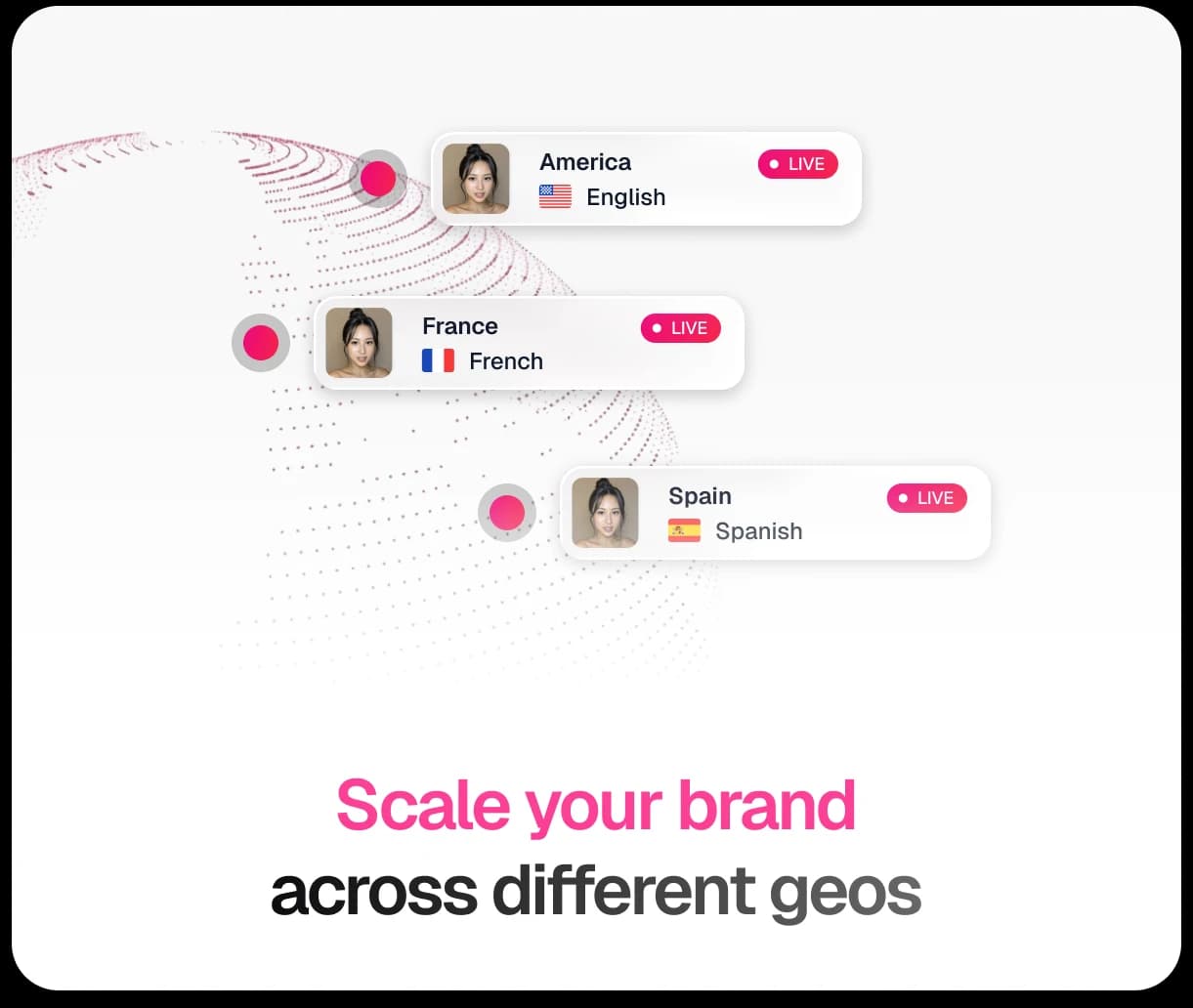
TwinTone simplifies global outreach with support for over 40 languages and localized voice options. High-performing scripts can be translated and deployed across international markets in minutes, not weeks, making it easier to scale campaigns globally.
Key Features of TwinTone for Social Commerce
AI Livestreams and Shoppable Videos
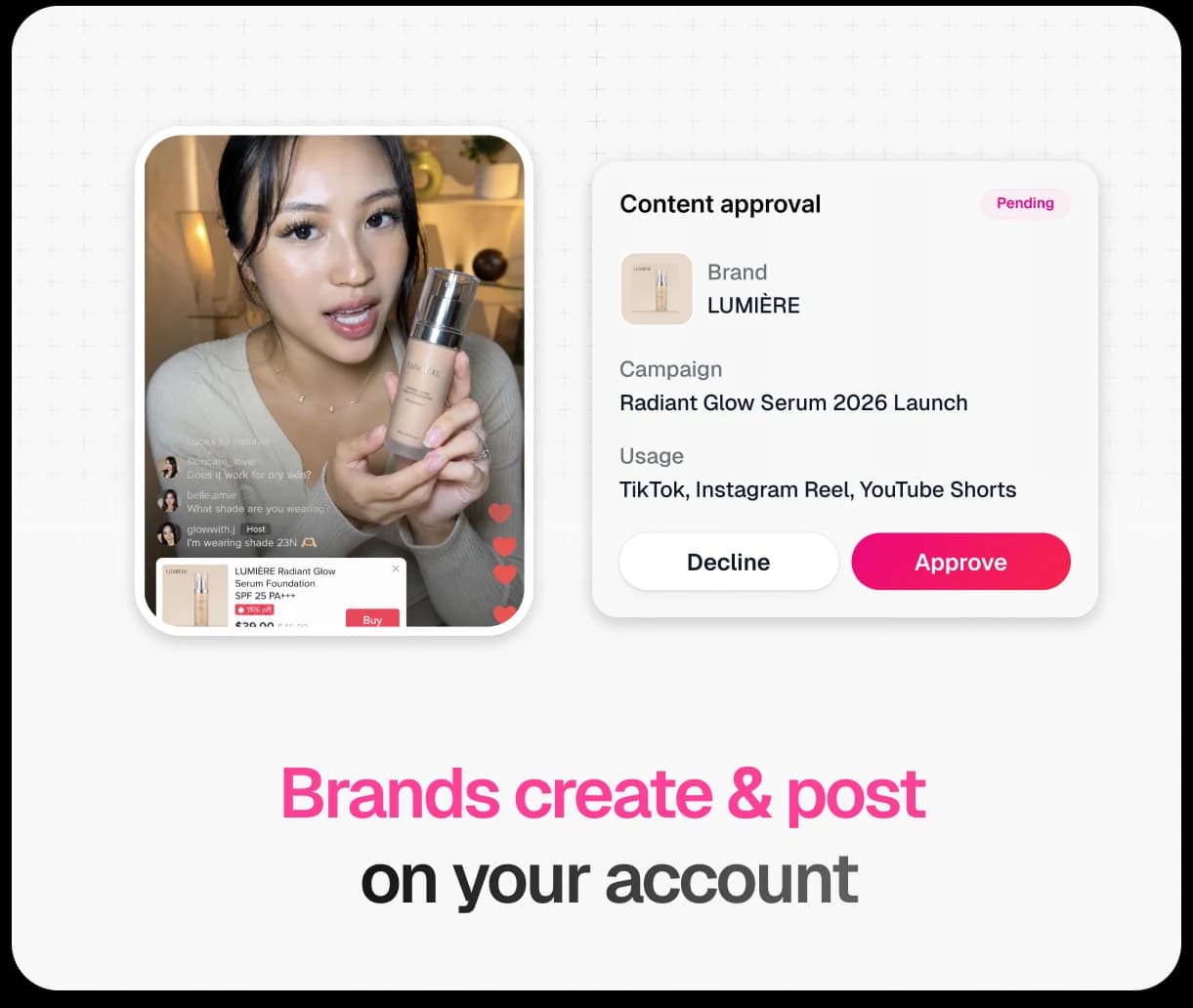
The platform also automates content distribution to TikTok, Instagram, and YouTube for faster rollouts. With API integration, you can connect TwinTone to your existing e-commerce and CRM systems, enabling you to programmatically generate content for your entire product catalog. This is especially valuable for brands with extensive SKU lists, offering a scalable way to create personalized content.
TwinTone provides real-time analytics to monitor engagement, conversions, and overall campaign performance. Its AI-driven creative testing adjusts content automatically for different audience segments, helping optimize ROI far more effectively than static ads.
Brands using digital twin technology often see impressive returns: 92% report ROI above 10%, and over half achieve at least a 20% ROI. With TwinTone’s analytics, you can pinpoint the strategies driving results, allowing you to focus on what works and refine what doesn’t.
To distinguish successful AI host campaigns from wasted efforts, it’s essential to keep an eye on specific metrics. Start with conversion rates - how many viewers actually make a purchase after interacting with your AI host content. For instance, the UK-based jewelry and watch brand Cluse saw a 19% boost in its conversion rate after incorporating shoppable-product photos into its Instagram lookbook.
Engagement metrics like click-through rates, comments, and shares are equally important, especially on platforms like TikTok, Instagram, and YouTube. Take Jane, a boutique-fashion marketplace, as an example: between November and December 2021, Jane attracted 675,000 visitors through curated product collections and live shopping events, which resulted in $365,000 in sales. Tracking these numbers can help you spot trends and refine your strategy.
Multilingual Support and API Integration
Customer sentiment is another critical area. Use tools like churn propensity analysis, loyalty indicators, and sentiment analysis to gauge whether your AI host is building trust or making users uncomfortable. Beware of the uncanny valley effect - when AI feels almost human but lacks warmth - since this can hurt engagement.
Don’t overlook operational efficiency metrics. These include the volume of content produced, cost savings compared to traditional campaigns, and the speed at which content is distributed globally. For example, Revolve, a fashion e-tailer, relies on over 3,500 influencers who generate about 70% of its total sales through direct purchasing links. AI hosts could replicate this scale while reducing the complexities of influencer coordination.
By focusing on these metrics, you’ll have a solid foundation for making data-driven adjustments to your campaigns.
Metrics are just the beginning - AI hosts thrive on real-time feedback, constantly adapting and improving through a process known as the "closed loop." This system measures the success of interventions and automatically retrains the AI host to perform better with every customer interaction.
"CDTs with gen AI continuously measure intervention success, retraining themselves to improve issue resolution and customer integration." - Antonio Castro, Partner, McKinsey
Measuring Success and Improving AI host Campaigns
Performance Analytics and ROI Tracking
One powerful tool is journey simulation, which lets you test campaigns in a virtual environment before they go live. This approach helps pinpoint weak spots, such as unclear headlines, overly complex checkout processes, or ineffective product demos. By addressing these issues upfront, you can cut down on wasted ad spend and avoid costly trial-and-error.
Predictive analytics is another game-changer. By analyzing your AI host’s data, you can forecast purchasing behaviors and detect risks like cart abandonment early. For example, if your AI host notices a trend of customers leaving items in their carts at checkout, you could intervene with strategies like personalized discount codes or streamlined payment options. In China, where 80% of impulse buys are driven by social recommendations, timely and tailored product suggestions can make all the difference.
To fine-tune your campaigns, start small. Launch pilot collections to gather feedback before rolling out at scale. Experiment with different AI host personalities, presentation styles, and calls to action. Tools like TwinTone’s real-time analytics allow you to A/B test creative variations in minutes, helping you zero in on what drives results.
AI hosts are transforming how brands connect with customers. With 24/7 live shopping streams available in over 40 languages and on-demand user-generated content (UGC) simplifying content creation, this technology offers scalability and personalization that traditional methods simply can't achieve. Results like Nestlé's success and Ralph & Russo's $65.1 million in media exposure highlight the measurable advantages for early adopters.
These AI-driven tools are becoming smarter ecosystems, using real-time data to predict purchasing trends, test marketing strategies, and refine their performance. This adaptability equips brands to stay ahead in a fast-changing consumer landscape. The growing potential of AI hosts is a clear signal for brands to integrate them into their strategies without delay.
Key Metrics to Track
When comparing AI vs. human influencers, AI hosts ensure flawless brand consistency and operate tirelessly around the clock. With 52% of U.S. social media users already following virtual influencers, consumer acceptance is on the rise, offering brands a chance to leverage this trend for continuous growth.
AI hosts are poised to lead the future of social commerce. The real question is how quickly your brand can seize the opportunity. Platforms like TwinTone simplify the process, enabling brands to create AI-driven content, host shoppable livestreams, and monitor performance in real time. With tools designed for everything from pilot campaigns to scaling across thousands of product variations, the possibilities are endless.
Start small with pilot campaigns, monitor your metrics closely, and adjust based on real-time insights. The era of social commerce powered by AI hosts is not just coming - it's already here, ready to redefine how brands engage and grow.
AI hosts are digital personas crafted using generative AI to mirror the appearance, voice, behavior, and preferences of a brand, influencer, or even a shopper. These replicas don’t just look and sound realistic - they also analyze real-time data to offer highly personalized responses, recommend products, create live-shopping videos, and even serve as avatars in influencer campaigns.
On the other hand, traditional chatbots are text-based tools that rely on pre-written scripts or basic natural language processing. Their role is usually limited to answering routine questions, managing straightforward transactions, or redirecting inquiries. Unlike AI hosts, chatbots don’t have visual personas, can’t adapt to individual behavior on a large scale, and are primarily restricted to messaging platforms.
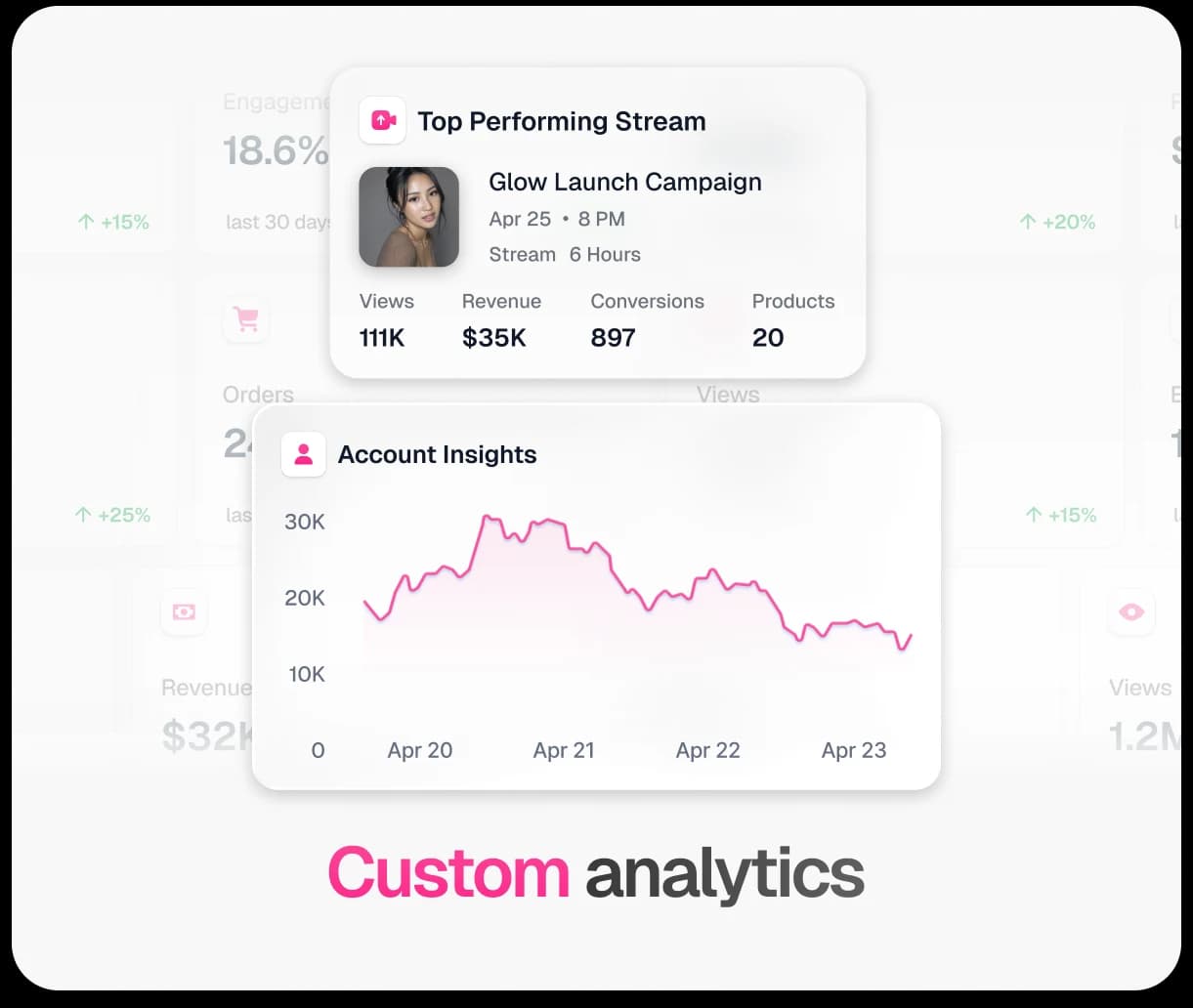
See an AI creator sell your products live
Connect your catalogue and go live in minutes · no studio, no crew.
Conclusion: The Future of AI hosts in Social Commerce
Using Data to Improve Campaign Performance
Because of these distinctions, AI hosts go beyond simple interactions. They provide dynamic, human-like experiences by blending storytelling, content creation, and lifelike engagement, while chatbots remain focused on delivering functional, text-based assistance.
AI hosts combine cutting-edge technologies to create shopping experiences that feel tailored to each individual. Generative AI models play a key role by analyzing enormous datasets to recommend products, enable virtual try-ons, and craft personalized content that aligns with user preferences. These efforts are further enhanced by machine learning algorithms, which continuously refine predictions in real time, and natural language processing (NLP), which powers smooth, conversational interactions for instant customer support.
To take personalization even further, AI hosts use real-time data from sources like browsing history, purchase habits, and other online behaviors. This information is processed through data-fusion platforms, which pull together diverse data points to create a unified customer profile. On top of that, computer vision drives features like virtual fitting rooms and visual product previews, while cloud infrastructure ensures the platform remains scalable and responsive. The result? Shopping experiences that feel like they were designed just for you.
What makes AI hosts different from traditional chatbots in social commerce?
Businesses can gauge the performance of AI host campaigns by focusing on three main areas: engagement, conversions, and operational efficiency.
When it comes to engagement, metrics like likes, comments, shares, and click-through rates reveal how effectively the AI host resonates with the audience. These numbers reflect the level of interaction and interest generated by the campaign.
For conversions, keep an eye on indicators such as sales, average order value, and cart recovery rates. These figures directly tie the campaign's influence to revenue, showing its impact on the bottom line.
How do AI hosts create personalized shopping experiences?
Operational efficiency is another critical area to monitor. Measure the time saved on repetitive tasks like content creation, customer support, or campaign rollouts. Look for reductions in labor costs as well. On top of that, improvements in customer satisfaction - tracked through metrics like Net Promoter Score (NPS) or Customer Satisfaction Score (CSAT) - can demonstrate how the AI host enhances the overall shopping experience.
By analyzing these metrics together, businesses can get a clear sense of the campaign's performance and return on investment (ROI).
AI Storytelling for Social Commerce
How can businesses evaluate the success of AI host campaigns?
- AI hosts and Emotional Context in UGC Ads
- AI hosts and Emotional Feedback Algorithms
- How: AI Powers Real-Time Content Sync
- AI hosts for Brand Partnerships: A New Model
- How: Brands Can License Creators Using AI
- AI-Driven Influencer Marketing Explained
Frequently asked questions
What Are AI hosts and How Do They Work?
AI hosts rely on machine learning and natural language processing to study large datasets of a creator's behavior, writing style, and visual presence. This allows them to replicate unique styles and engage in real-time, context-aware conversations that feel human. Large language models are at the core of this technology, enabling these systems to deliver lifelike and dynamic interactions.