AI
Building Multi-Party Calls with Voice APIs
Multi-party voice calls let multiple participants join a single conversation - ideal for live Q&As, fan interactions, or collaborative discussions.

Multi-party voice calls let multiple participants join a single conversation - ideal for live Q&As, fan interactions, or collaborative discussions. Voice APIs make it easier to build these systems, handling audio quality, participant management, and scalability. Here's what you need to know:
This technology isn't just about communication - it's about creating interactive, engaging experiences for creators and their audiences.
To get started, you'll need API credentials - such as an application ID, API key, and secret token. Store these securely using environment variables or a secrets management service to keep them safe.
For development, use Node.js 14.0+ or Python 3.7+. You'll also need a secure HTTPS endpoint to handle webhooks, as most voice APIs require encrypted connections for real-time event notifications.
For database solutions, choose one that supports real-time data synchronization. Options like PostgreSQL with real-time subscriptions or a managed real-time database service work well. Your server should handle concurrent connections efficiently. Start with at least 2 GB of RAM and 2 CPU cores, scaling horizontally with load balancers as the number of participants increases.
If you're planning to include features like call recording or audio mixing, make sure to account for media server capabilities. For web-based implementations, WebRTC-compatible browsers are essential. Mobile apps will also require specific SDK integrations for both iOS and Android.
Setting Up Multi-Party Call Integration
Technical Requirements
Once these technical requirements are in place, focus on securing API authentication and setting up access controls.
Secure your API with JSON Web Tokens (JWT) for authentication. Since JWTs typically expire after a set period, implement an automatic token refresh system to avoid interruptions during active calls.
Use role-based tokens to assign different permissions to hosts, moderators, and participants. For instance, only hosts should have the ability to remove participants or end sessions.
To further enhance security, combine JWT-based authentication with features like:
Encrypt sensitive data both in transit and at rest. Use AES-256 encryption for stored data and ensure all API communications occur over TLS 1.2 or higher. Additionally, monitor authentication logs and set up alerts for any unusual or failed access attempts.
After securing your API, turn your attention to regulatory compliance and scalability. Protecting participant data and ensuring the platform can handle growth are essential.
API Authentication and Security
Privacy regulations vary by region, but safeguarding user data is always a top priority. As TwinTone emphasizes: "Your data & privacy, In your control" and "We keep your conversations Private and your audience Protected". To uphold these principles, ensure users consent to call recordings, provide clear privacy policies, and allow users to delete their data when needed.
For GDPR compliance, incorporate features like consent management, data portability, and the ability to delete user data from the outset.
When planning scalability, consider your platform's growth potential. A system designed for 100 participants will need different infrastructure than one supporting thousands. Focus on horizontal scaling by using load balancers and multiple server instances rather than relying solely on vertical scaling.
Minimize latency by designing for multi-region deployment with edge servers or a Content Delivery Network (CDN).
Following TwinTone's lead - "Your assets are securely stored, fully encrypted, and never shared or sold" - ensure voice recordings, user profiles, and session data are protected. Avoid using user content for training purposes or sharing it without explicit consent. Transparent data handling practices build trust and maintain user confidence in your platform.
Creating reliable multi-party communication is crucial for platforms that thrive on connecting creators with their audiences. Here’s a detailed guide to help you set up and manage multi-party calls effectively.
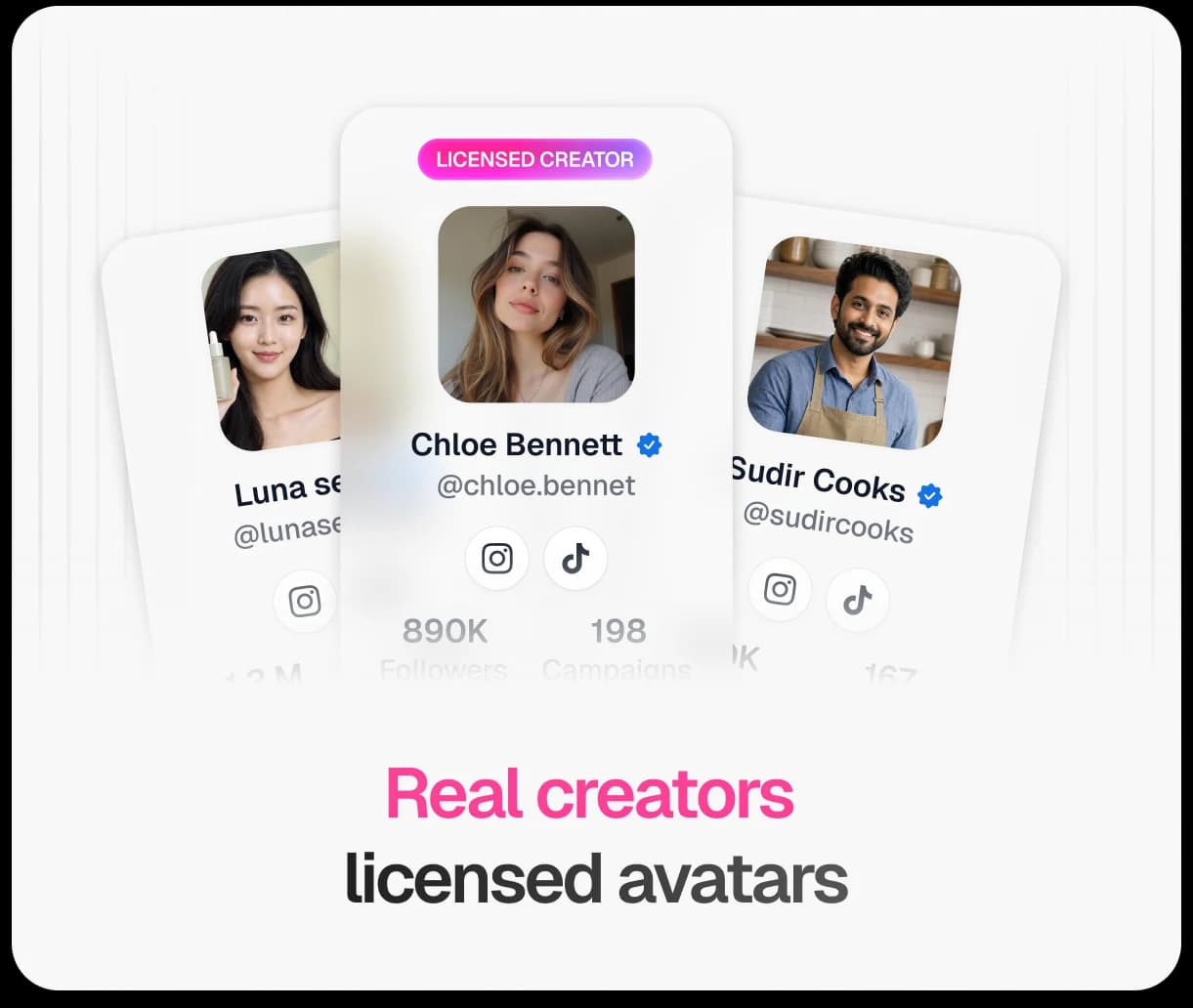
TwinTone’s model allows creators to retain 100% of their revenue, simplifying earnings management.
Multi party Calls with Twilio Conferences
Compliance and Scalability Planning
To get started, initialize your voice API client. While the approach may vary depending on the provider, the general process is similar across platforms.
For JavaScript/Node.js, install the SDK and create a client instance. Keep your API credentials secure by storing them as environment variables:
For Python, the setup is similar, with proper exception handling:
To ensure smooth operation, set a 30-second timeout and use exponential backoff for retries. This helps avoid prolonged delays during network issues. Enable debug logging during development to track API activity and troubleshoot problems efficiently.
Once your client is initialized, you’re ready to create and manage call sessions.
Call sessions are the backbone of multi-party communication. Each session needs a unique identifier and specific settings, such as participant limits, recording preferences, and access controls.
Setting Up the Voice API Client
Here’s how to set up a basic call session:
Next, generate tokens for participants, assigning roles and permissions:
For platforms like TwinTone, you can dynamically adjust session limits based on the creator’s subscription tier. Premium users might prefer smaller, more personal interactions, while standard tiers can accommodate larger audiences:
Additionally, manage session operations like starting and stopping recordings while respecting user privacy:
Remember to clean up sessions by stopping recordings and releasing resources to avoid memory leaks.
Once your sessions are live, managing real-time events and errors is key to maintaining call quality.
Building Multi-Party Calls: Step-by-Step Guide
Creating and Managing Call Sessions
Participant events, such as joining or leaving, are common and should be handled to keep sessions organized:
Monitor connection quality events to address network issues early:
When errors occur, respond appropriately based on their type:
For temporary network issues, implement automatic reconnection using exponential backoff:
Finally, ensure session state synchronization by broadcasting updates to all participants and managing API rate limits with a queuing system for high-frequency operations. This keeps your application responsive and avoids exceeding API restrictions.
Expanding on the multi-party call framework, these advanced features provide hosts with greater control and improved event management. They elevate basic multi-party calls into structured and professional sessions.
Handling Events and Errors
Server-side muting allows hosts to manage audio effectively. When applied, the API blocks all audio packets from a participant, even if their device continues streaming sound. This ensures participants cannot override the mute setting.
For example, Microsoft Graph API offers a participant: mute endpoint for server-side muting in group calls. It requires specific application permissions. Here's a sample implementation:
For self-muting, the track.enable() and track.disable() methods in client applications allow participants to control their own audio. The Azure Communication Services Call Automation SDK supports both host-controlled muting and self-mute functionality:
Role-based permissions take session control to the next level, enabling hosts and moderators to maintain order during calls. These permissions define what each role can and cannot do, as shown below:
When designing the interface, ensure that mute/unmute options are only visible to the local participant to avoid unauthorized actions.
Keeping participants updated in real time is key to ensuring smooth communication. Voice APIs provide event notifications that inform everyone about changes in participant status.
Advanced Multi-Party Voice Call Features
Participant Controls and Custom Roles
For example, you can track participant states by handling events and updating the application state:
These advanced controls and real-time updates lay the groundwork for further integration with creator platforms, which will be addressed in the next section.
Creator platforms are stepping up their game by integrating multi-party voice calls, creating deeper engagement opportunities and opening up new revenue streams.
To enable multi-party calls, platforms need to integrate voice APIs effectively, selecting the right endpoints and implementing them efficiently.
WebRTC integration is the backbone of browser-based calling, offering simple click-to-call functionality:
For mobile integration, native frameworks like iOS CallKit and Android Telecom make calls feel natural and professional for fans. This ensures smooth cross-platform synchronization and creates opportunities for monetization.
Real-Time Event Management
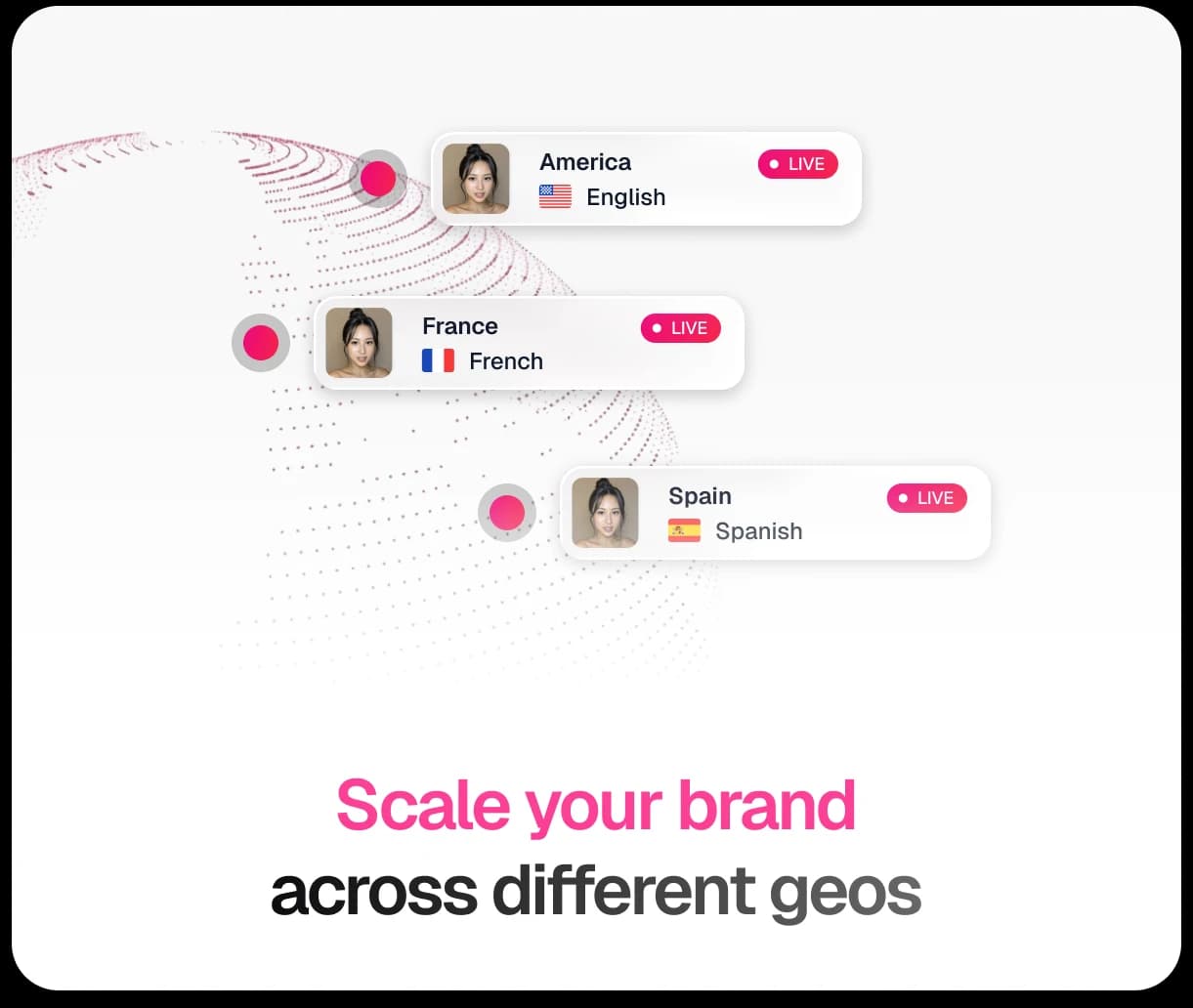
Platforms like TwinTone take this a step further by blending voice calling with AI-powered interactions. This allows creators to host calls even when they’re unavailable:
By synchronizing user profiles and session data, platforms ensure seamless voice interactions across web, mobile, and phone channels. This cross-platform synchronization maintains consistency in customer profiles, conversation history, and business logic.
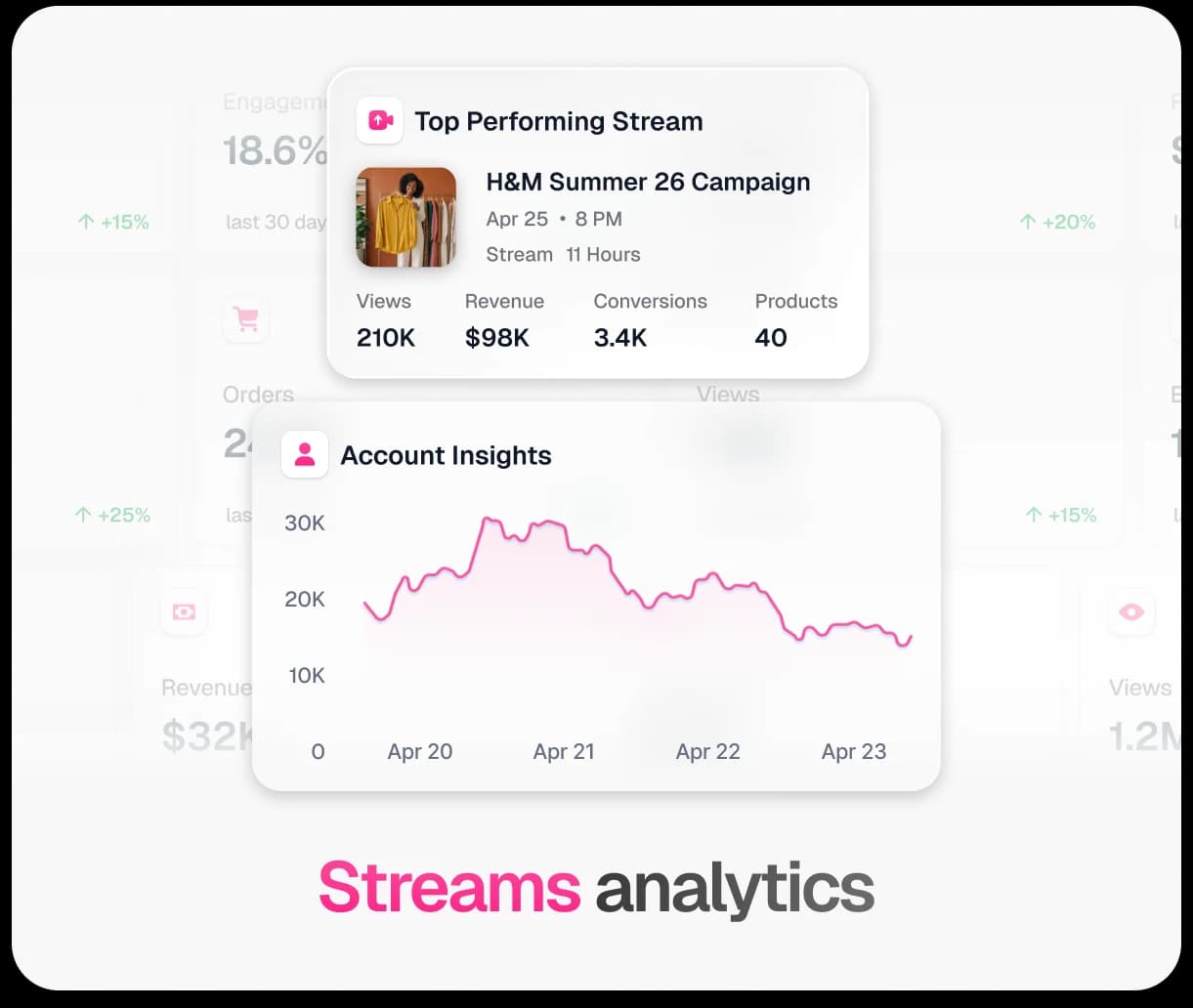
With strong connectivity in place, creator platforms can leverage analytics to drive revenue. The rise of voice commerce highlights the earning potential of these tools. Metrics like call duration, participant retention, and conversion rates help platforms fine-tune their offerings.
Revenue tracking systems give creators detailed insights into their call performance:
TwinTone’s model allows creators to retain 100% of their revenue, simplifying earnings management. Additionally, session continuity tracking ensures fans have a smooth experience - 91% of users value this feature for maintaining context across interactions. This means fans can switch platforms or join multiple calls without losing their interaction history or preferences.
To ensure reliable communication, platforms can standardize using SIP protocols and adjust audio quality dynamically based on bandwidth. This ensures smooth voice calls whether participants use landlines, smartphones, or web apps.
See an AI creator sell your products live
Connect your catalogue and go live in minutes — no studio, no crew.
Integrating Multi-Party Calls with Creator Platforms
Connecting Voice APIs to Creator Platforms
Maintaining call quality across various connection types is crucial:
Voice API providers make integration easier by offering SDKs for various programming languages, including Node.js, Python, Java, PHP, iOS, and Android. This flexibility allows development teams to implement voice functionality without being limited by their tech stack.
The voice-based customer service market is expected to hit $5.6 billion by 2028, signaling a growing opportunity for platforms that integrate voice capabilities. By ensuring compatibility across devices and networks, creator platforms can tap into this expanding market while delivering consistent, high-quality experiences to fans.
Comprehensive testing is essential to guarantee performance across devices and networks. Identifying and resolving compatibility issues early ensures a smooth user experience. With connectivity solidified, platforms can confidently focus on monetization and analytics.
Using voice APIs to build multi-party voice calls opens up new ways for creators and platforms to connect with their audiences. At its core, it requires a strong technical setup.
Here’s a quick recap of the key steps: configure the voice API client with WebRTC, ensure reliable call session management, and implement thorough error handling. Adding advanced features like participant controls and real-time event tracking can elevate the experience, setting professional platforms apart.
Monetization and Analytics Features
For creator platforms, voice integration is more than just a communication tool. TwinTone’s AI-powered platform is a great example, offering digital twins that allow creators to interact in over 30 languages and maintain 24/7 availability - while keeping 100% of their revenue.
Analytics and monetization play a critical role too. Tools for revenue tracking and performance analysis not only help creators refine their strategies but also allow platforms to demonstrate clear value. Together, these features create a complete voice solution tailored to the demands of today’s creator economy.
Ultimately, multi-party voice calling isn’t just a technical upgrade - it’s a game-changer for audience engagement. Platforms that embrace advanced voice API capabilities and strong monetization tools are setting the pace in the creator economy.
To create secure and privacy-compliant multi-party voice calls using Voice APIs, the first step is to implement end-to-end encryption. This ensures that call data remains protected from any unauthorized access, keeping sensitive information safe.
It's also essential to select platforms that adhere to important regulations like GDPR or FCC STIR/SHAKEN, which help you align with industry privacy standards. On top of that, make sure to use strong security protocols like Transport Layer Security (TLS) to protect data while it's being transmitted. Regularly updating your encryption settings is another key practice to address emerging vulnerabilities and maintain a high level of security.
Focusing on these strategies will help you create a secure, compliant, and trustworthy multi-party call experience.
Conclusion
Cross-Platform Compatibility
To grow a multi-party call platform successfully, the infrastructure must be ready to handle heavy traffic without compromising call quality. This means ensuring there’s enough bandwidth, strong server capabilities, and a well-tuned network to avoid issues like lag or dropped calls.
Some key steps include using load balancing to evenly spread traffic, adopting cloud-based telephony systems for greater adaptability, and fine-tuning APIs to efficiently manage participant connections. On top of that, keeping network latency low and allocating resources wisely are critical for smooth performance during large-scale calls.
To boost both engagement and revenue with multi-party voice calls, dive into analytics to better understand your users. By analyzing call data, you can uncover trends, refine user interactions, and ultimately improve retention rates. It's about using data to shape experiences that resonate with your audience.
How can I ensure secure and privacy-compliant multi-party voice calls when using Voice APIs?
When it comes to monetization, explore options like premium features, tiered subscriptions, or offering exclusive access to specific call functionalities. These strategies not only open up new revenue streams but also help maintain a positive user experience.
TwinTone takes things up a notch with its AI-powered tools. These tools let creators monetize their interactions through 24/7 digital twins - AI-driven personas that maintain constant engagement with fans. This approach turns every interaction into a revenue opportunity while keeping the experience authentic and engaging.
Voice AI Chatbots: Building Personalized Fan Experiences
What should developers consider when scaling a multi-party call platform for a large number of users?
- How Voice: AI Enhances Parasocial Relationships
- Best: Collaboration Tools with AI Integration
- Best: Practices for Voice Call Interface Personalization
How can I use analytics and monetization tools to boost engagement and revenue with multi-party voice calls on my platform?
- AI Twins for Brand Partnerships: A New Model
- How: Brands Can License Creators Using AI
- AI-Driven Influencer Marketing Explained